Design Your MLOps Pipeline So an AI Assistant Can Run It
Most MLOps pipelines are built for humans to operate. Restructure yours around versioning, model cards, CLI tooling, and structured logging — and an AI assistant can drive the whole lifecycle.
14 posts found
Most MLOps pipelines are built for humans to operate. Restructure yours around versioning, model cards, CLI tooling, and structured logging — and an AI assistant can drive the whole lifecycle.
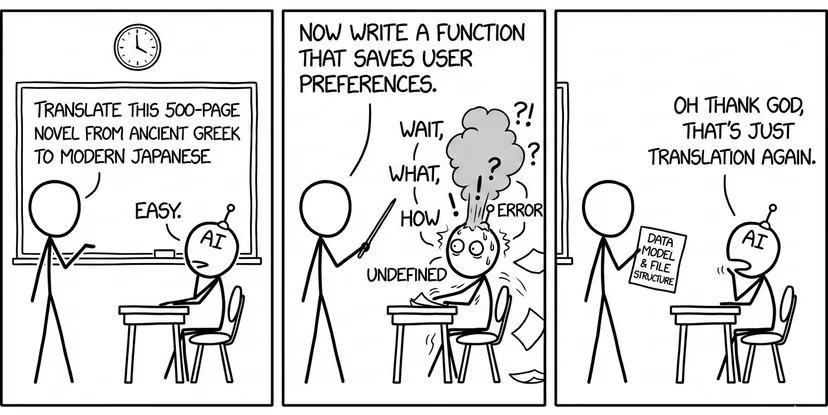
Stop thinking of AI as a code generator. Start thinking of it as a translator. When you shift from "write me code" to "translate this intent into working implementation," everything changes—your prompts get clearer, your results get better.
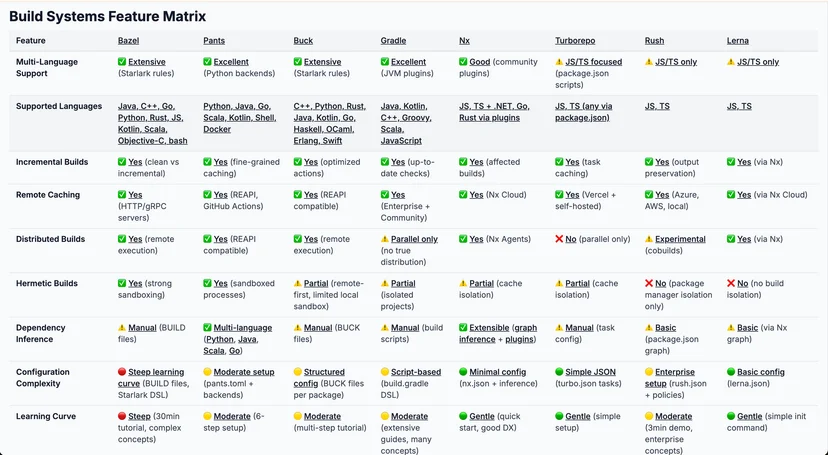
I consulted 200+ references researching build systems so you don't have to. Here's the definitive feature matrix comparing 8 tools across 15 dimensions—plus the AI-powered research process that made it possible.
Turn your log firehose into queryable intelligence. Learn how structured logging with user IDs, session IDs, and request IDs transforms debugging from hours of regex hunting into SQL queries that trace any bug from user click to database error.
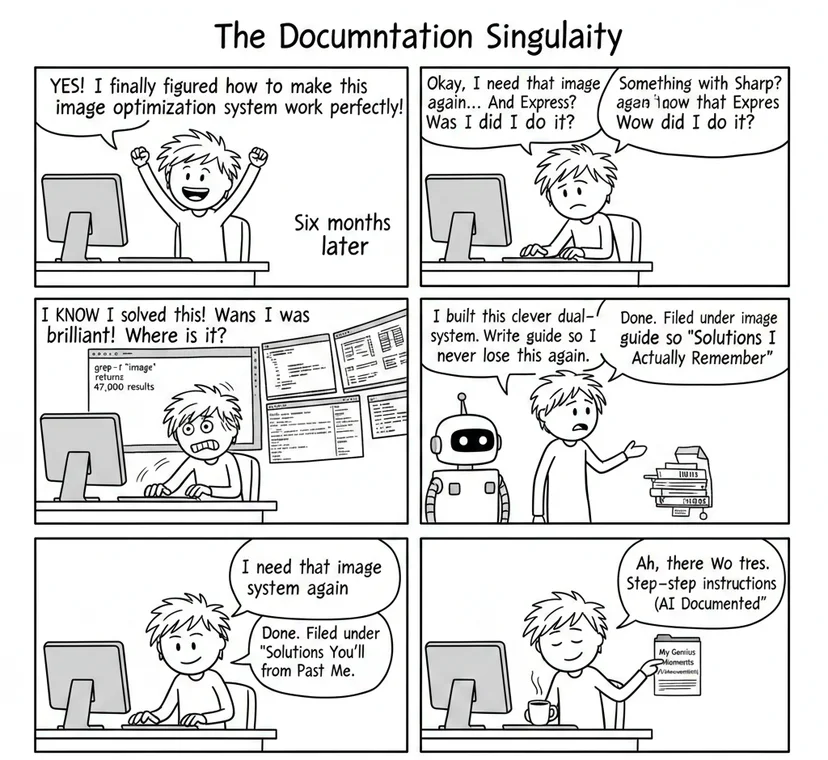
Transform clever one-off solutions into reusable knowledge. Learn how to have AI document your best implementations as internal guides, creating a library of patterns you can reference and replicate across any project.
Stop watching your AI struggle with new APIs. Learn why making library source code available in your workspace beats MCP servers, and how direct file access gives AI the context it needs to integrate unfamiliar dependencies quickly.
Turn your build system into your most reliable code reviewer. Learn how smart builds catch AI mistakes that compile but break in production, and why dependency-aware tools like Nx speed up your AI coding iterations dramatically.
Discover why AI inherits our worst "dev complete" habits and declares victory at 80% done. Learn how to use lightweight integration tests to give AI a real definition of done and catch missing pieces before you waste time debugging.
Learn why failing tests eliminate ambiguity, how they catch meaning instead of just bugs, and the simple prompt that turns your test suite into an AI coding superpower.
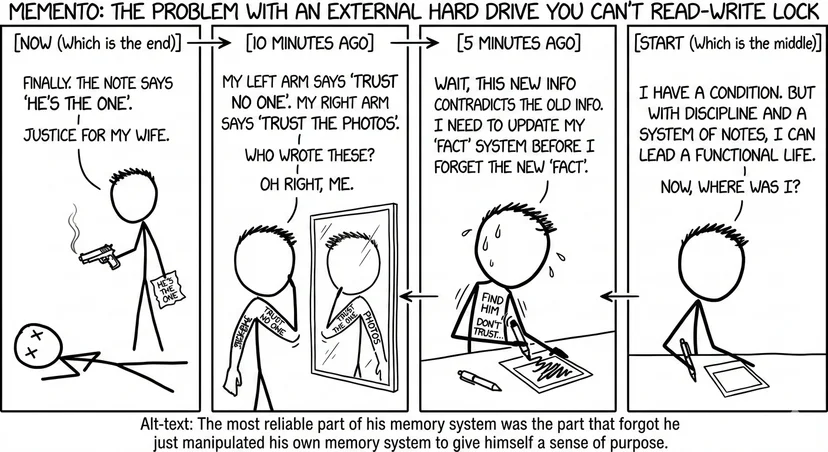
Like Leonard Shelby from Memento, AI assistants forget everything between conversations. Learn the seven types of external memory—rule files—that transform your AI from confused newcomer to knowledgeable teammate who remembers your preferences and patterns.
Master the art of reviewing thousands of lines of AI-generated code without falling asleep. Learn three focused lenses—engineering culture, cross-cutting concerns, and idioms—that help you stay alert and catch dangerous code before it ships.
Discover why jumping straight into "build me X" leads to 2,000 lines of wrong code. Learn the three levels of AI planning that transform vague prompts into precise builds, and why the fastest developers invest time upfront in planning mode.
Stop arguing with chatbots about TypeScript vs JavaScript. Learn how to scaffold projects before AI writes application code, turning your workspace structure into the perfect prompt that eliminates guesswork and gets you building features faster.
Learn why git becomes your lifeline when AI writes most of your code. Discover the team-scale practices that keep you aligned with code you didn't write yourself, and how branching gives you multiple states to experiment with when AI gets creative.